
Most leaders enter coaching with a clearly defined issue. A difficult decision is pending, a conflict is escalating, a role feels narrower than it used to, or the next career step is uncertain. These concerns are real and often urgent. They deserve focused attention.
Yet in many cases, what initially appears to be “the issue” turns out to be only the visible layer of something deeper.
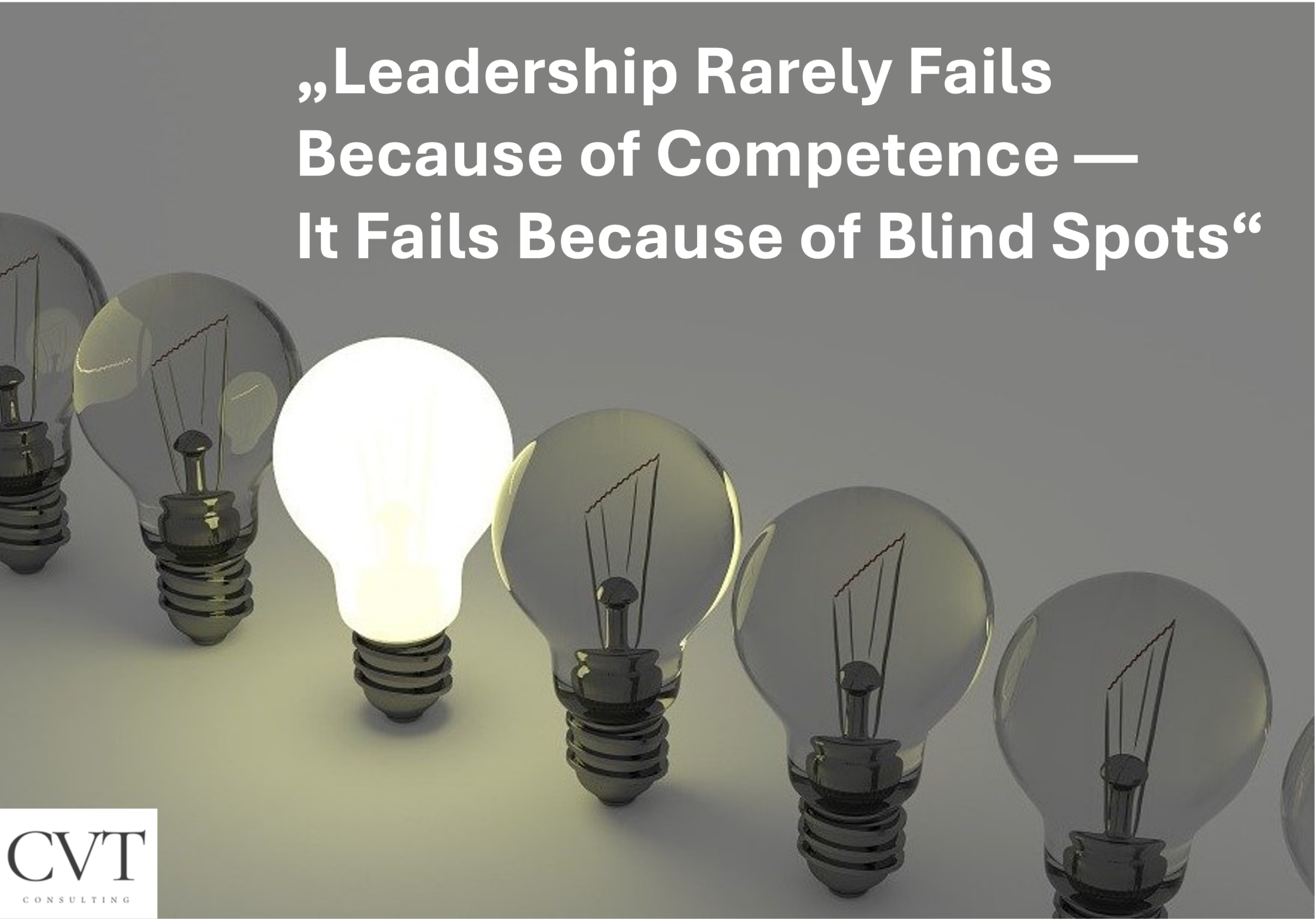
The leaders I work with are typically experienced, capable, and high-performing. A lack of knowledge is rarely the problem. What limits them is not competence, but the invisible patterns that shape their thinking and decision-making. Habits that once created success but now constrain growth. Internal assumptions about responsibility, authority, or identity that go unquestioned. Behavioral reflexes that subtly reduce impact.
This is where my approach to business coaching begins. The original topic remains relevant, but it serves as an entry point rather than the final destination. Coaching, sparring, training, and advisory elements are intentionally combined. Reflection creates awareness. Structured tools make that awareness actionable. Strategic input helps anchor decisions in real organizational contexts.
What emerges in this process is a professional thinking space — something many leaders lack in their operational reality. A space to step back without losing touch with responsibility. A space to examine decisions that cannot be delegated. A space to reflect on questions such as:
-
How do I make decisions under uncertainty?
-
How do I position myself clearly without becoming rigid?
-
What impact do I actually create — and where might I be misjudging it?
Often, this work opens perspectives far beyond the original topic. Not as an intellectual exercise, and not as therapy, but as a foundation for deliberate development. When leaders recognize their own patterns, they gain choice. When they understand their decision logic, they act with greater intention. When they reflect on their impact, they strengthen their authority.
Business coaching, as I practice it, is not about providing ready-made answers. It is about examining the right questions with precision and seriousness, and translating insight into concrete next steps.
Development becomes meaningful when it is conscious, deliberate, and aligned with real responsibility.
CT
